
Buying transformers overseas is risky. You worry about hidden defects causing massive costs later. A thorough Factory Acceptance Test (FAT)1 is your ultimate protection before shipment.
For overseas buyers, a Factory Acceptance Test (FAT) is a critical step. It verifies your transformer meets all technical specifications, performance standards, and quality requirements at our factory. This process prevents costly on-site failures, project delays, and compliance issues in your country.
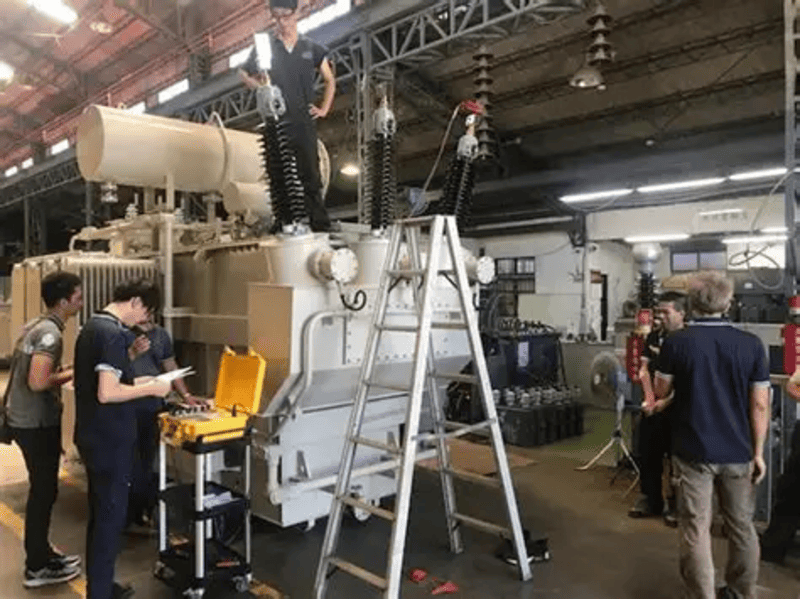
You’ve invested a lot in this project. The transformer is the heart of your system. But how do you make sure the unit arriving at your port is exactly what you paid for and will perform reliably for decades? It all comes down to a deep understanding of the FAT. Let’s walk through what really matters for an international buyer like you.
What Is the Purpose of a Factory Acceptance Test (FAT)?
You might wonder if FAT is just another box to tick. Skipping it seems to save time and money, but it’s a huge gamble with your entire project’s success.
The main purpose of a FAT is to prove that the equipment is built and operates according to your approved design and specifications. It is our final quality check, confirming everything from dimensions to electrical performance before the transformer ever leaves our facility.

A Factory Acceptance Test is fundamentally about managing risk. When you’re an EPC contractor or a project developer, your reputation and budget are on the line. The FAT is your insurance policy. It’s the formal process where we, the manufacturer, demonstrate that the transformer we’ve built for you is fully compliant with every line item in the contract. This isn’t just a quick check; it’s a comprehensive verification process. We go through everything with a fine-toothed comb, ensuring the final product is exactly what you expect.
Verification of Design and Dimensions
I’ve seen projects get derailed by the smallest physical errors. A transformer is a custom piece of equipment. If the bushing positions or overall dimensions are off by even a few centimeters from the approved drawings, it can cause chaos on-site. It might not connect with the busbars or fit into the prefabricated substation. At YEEG, we treat the alignment of the physical unit with the drawings as a non-negotiable rule. During the FAT’s visual and dimensional checks2, we confirm every measurement. This prevents our clients in South Africa or Europe from facing the nightmare scenario of having to demolish and rebuild expensive concrete foundations just to make a new transformer fit.
Mitigation of On-Site Risks
The ultimate purpose of the FAT is to find and fix any potential issues here, in our factory, not at your project site thousands of miles away. The cost of fixing a problem on-site is exponentially higher than fixing it during production. It involves shipping delays, expensive expert travel, and potential project penalties. By conducting a thorough FAT, we ensure the transformer is 100% ready for installation and commissioning the moment it arrives. This directly protects your project timeline and budget.
What Does a Transformer FAT Actually Involve?
"Factory Acceptance Test" can sound complex and intimidating. You’re not sure what really happens during this process, leaving you feeling vulnerable to corner-cutting by some suppliers.
A transformer FAT involves a specific set of tests defined by international standards like IEC and your own requirements. We perform Routine Tests3 on every unit, and sometimes Type or Special Tests4, to check everything from electrical losses and insulation to temperature performance.
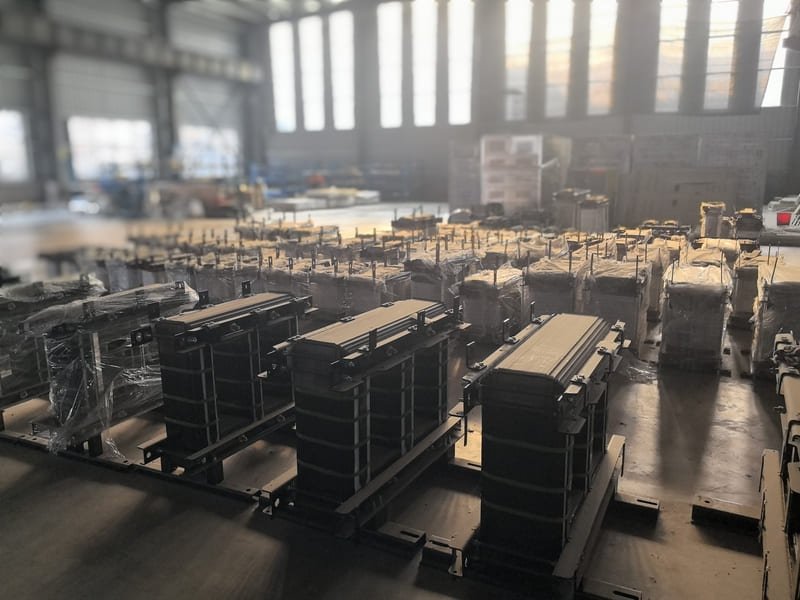
The FAT is not a single event but a series of structured tests. These tests are categorized to ensure every aspect of the transformer’s performance and construction is verified. We follow internationally recognized standards, most commonly IEC 60076, to ensure a consistent and reliable evaluation. The tests are typically divided into three main groups.
Routine Tests: Catching Hidden Problems
These are mandatory tests performed on every single transformer before it leaves our factory. They are designed to confirm the quality of workmanship and materials. In my experience, this is where we catch the most dangerous shortcuts that some manufacturers take. For overseas buyers, the biggest traps are faked efficiency data and the hidden use of aluminum instead of copper. A supplier might provide a test report with great-looking no-load and load loss figures, but the reality is different. This can cause the transformer to be rejected by the local utility for failing to meet energy efficiency standards. At YEEG, we insist on 100% pure copper windings. During the FAT, our DC resistance and loss measurement tests provide transparent data aligned with IEC standards. This directly helps EPC contractors avoid the massive cost of return shipping and million-dollar contract penalties that come with a non-compliant unit.
Type Tests5: Proving Long-Term Durability
Type tests are performed on a representative unit to validate a specific design. One of the most critical is the temperature rise test6. To save time and electricity costs, some factories just run a short test and use formulas to guess the final temperature. This is incredibly risky. A transformer based on extrapolated data might work fine in a temperate climate, but it could be a fire hazard in the high ambient temperatures of South Africa or at the high altitudes of Ethiopia. The insulation paper will degrade quickly, leading to a short circuit. We ensure our oil-immersed and dry-type transformers undergo a real, full-load temperature rise test. This proves the unit’s cooling capability and guarantees its 20-year design life, saving you from catastrophic failure and the huge cost of premature replacement.
Special Tests: Meeting Unique Demands
These are additional tests requested by the customer based on specific application needs, like short-circuit withstand tests or noise level measurements.
| Test Category | Common Tests | Purpose |
|---|---|---|
| Routine Tests | Winding Resistance, Voltage Ratio, Polarity, No-Load Loss, Load Loss, Dielectric Tests | Performed on every unit to verify core performance and workmanship. |
| Type Tests | Temperature Rise Test, Lightning Impulse Test | Validates a specific design for durability under stressful conditions. |
| Special Tests | Short-Circuit Withstand Test, Noise Level Measurement, Zero-Sequence Impedance Measurement | Performed by customer request for unique operational requirements. |
What Are the Real Risks of Skipping a Transformer FAT?
Skipping the FAT seems like a smart way to cut costs and speed up delivery. But the potential financial penalties and project delays are far greater than any initial savings.
Skipping a FAT means you might receive a faulty or non-compliant transformer. This leads to huge on-site repair costs, project shutdowns, and rejection by local power authorities. The cost of return shipping and contract penalties can be catastrophic.

I cannot overstate this: skipping the FAT is one of the biggest mistakes an international buyer can make. It’s like buying a house without an inspection. You might save a little money upfront, but you are exposing yourself to monumental risks that can jeopardize your entire investment. The consequences fall into three main categories.
Financial Catastrophe
The most immediate risk is financial. If a transformer arrives and fails commissioning, or is rejected by the local grid authority, the costs spiral out of control. You’re looking at the cost of hiring local experts for diagnostics, potential on-site repairs, and in the worst case, the enormous expense of shipping a multi-ton transformer back to the factory. On top of that, if you are an EPC contractor, you will face severe contractual penalties for project delays, which can easily run into the hundreds of thousands or even millions of dollars. The small cost of a FAT is trivial compared to these potential losses.
The Hidden Threat of Moisture
A critical risk that many buyers overlook is related to insulation. If a transformer’s dielectric tests7 (like applied voltage and induced voltage tests) just barely pass at the factory, it’s a huge red flag. This often indicates a flawed vacuum drying and oil-filling process. After several weeks on a container ship, crossing the ocean, that transformer’s insulation is highly likely to re-absorb moisture from the air. When your team tries to power it up on-site, it can lead to an immediate dielectric breakdown—an internal flashover that destroys the transformer. Our engineering team at YEEG is obsessed with our vacuum and drying process, ensuring the insulation parameters have a large safety margin. This prevents our clients from having to rent expensive oil filtration equipment and spend weeks drying out a brand-new transformer on-site.
How Should You Prepare for a Factory Acceptance Test?
You’ve decided to witness the FAT. This is a great move. But arriving unprepared means you might miss critical details and not get the full value from your visit.
To prepare for a FAT, thoroughly review the approved drawings, technical specifications, and the agreed-upon FAT protocol8. Prepare a checklist of key items to verify, from nameplate data to specific test procedures, to ensure you can follow along intelligently.
Your participation in the FAT is a powerful tool, but its effectiveness depends on your preparation. Showing up with a clear plan ensures that you are an active participant, not just a passive observer. I always appreciate it when a client comes prepared because it leads to a more productive and transparent process for everyone involved.
Before You Travel
The work starts before you even book your flight. First, gather and review all the key documents. This includes the final purchase order, the approved technical data sheets, the general arrangement drawings, and, most importantly, the agreed-upon FAT procedure or Inspection and Test Plan (ITP). These documents are the standard against which the transformer will be judged. Create your own checklist based on these documents. What are the key performance indicators you need to see? What are the critical dimensions to verify?
During the Test
When you are on our factory floor, your checklist is your guide. I always encourage our clients to start with the basics.
- Verify the Nameplate: Does the information on the transformer’s nameplate (voltage, power rating, vector group, serial number) match the approved drawings and your order exactly?
- Check the Instruments: Ask to see the calibration certificates for the measurement equipment being used. This ensures the readings you see are accurate.
- Follow the Procedure: Use your ITP to follow along with each test. Don’t be shy. If you don’t understand a step or a result, ask us to explain it. A good manufacturer will be happy to walk you through the process.
- Document Everything: Take photos of the test setup, the measurement readings, and the overall unit. These records are invaluable.
Your goal is to leave the factory with full confidence that the transformer is ready.
How Are FAT Results Documented and Reviewed?
The tests are done, but what happens next? Without proper documentation, the entire FAT process loses its authority and you have no official proof of compliance for your records.
All FAT results are meticulously recorded in a formal test report. This report includes raw data, calculations, and a clear pass/fail status for each test against the required standards. We review this report with you, and it must be signed off before shipment.
The Factory Acceptance Test Report is the official legal record that the transformer has passed all required tests. It is one of the most important documents you will receive. This report is your proof of quality, your assurance of compliance, and a critical piece of the final documentation package for your project or your end client. It’s not just a summary; it’s a detailed and comprehensive file that provides full traceability.
What’s in a FAT Report?
A proper FAT report is more than just a list of "Pass" marks. It should be a complete dossier of the testing event. At YEEG, our standard report includes:
- Header Information: Your company’s name, the project name, the transformer serial number, and the applicable standards (e.g., IEC 60076).
- Test Equipment Details: A list of all major instruments used during the test, along with their last calibration dates.
- Test-by-Test Results: For each test performed (e.g., winding resistance, load loss), the report shows the specified requirement, the raw measured data, any necessary calculations (like temperature corrections), and the final result.
- Visual Inspection Record: A checklist confirming that all physical aspects, dimensions, and accessories match the approved drawings.
- Sign-Off Sheet: A final page for the signatures of our quality control manager and you, the client or your representative.
The transformer does not get a shipping release authorization until this document is reviewed and signed by both parties. This process ensures complete alignment and agreement before the unit is packaged for its journey.
Can You Witness the FAT for Your Transformer?
You’re buying a critical asset from thousands of miles away. You wonder if you can actually be there to see the tests for yourself, to gain that final peace of mind.
**Absolutely. We strongly encourage our clients or their appointed third-party inspectors to witness the FAT in person at our facility. This transparency is key to building trust and allows you to verify the
-
Understanding FAT is crucial for ensuring your transformer meets all specifications and avoids costly failures. ↩
-
These checks are vital for ensuring the transformer fits and functions correctly. ↩
-
Understand the mandatory tests that ensure every transformer meets quality standards. ↩
-
Discover how Special Tests cater to unique operational requirements. ↩
-
Learn how Type Tests validate the long-term durability of transformer designs. ↩
-
Understanding this test can help ensure your transformer operates safely under load. ↩
-
These tests are essential for ensuring the insulation quality of your transformer. ↩
-
A clear FAT protocol ensures all tests are conducted systematically and thoroughly. ↩