Most procurement managers make a fatal miscalculation that can waste up to 30% of their company’s budget when buying a transformer: they only look at the initial price on the purchase order.
If you are managing a modern manufacturing plant or a commercial complex, a transformer is not a one-off consumable. It is a 10-year financial commitment. While an oil-immersed transformer1 might look 20% to 30% cheaper on the initial invoice, deploying a dry-type transformer can actually save you up to 30% in hidden Total Cost of Ownership (TCO)2 over a decade when factoring in construction, maintenance, and operational bleeding.
As a professional transformer manufacturer, YEEG doesn’t just sell you the most expensive option; we engineer the most financially sound solution for your specific site. Let’s break down the true 10-year financial ledger of a standard 1000kVA transformer.
Phase 1: Years 1-3 — The Hidden Construction Trap
The moment the transformer arrives, the initial price gap begins to vanish.
The Oil-Immersed Financial Black Hole:
Because mineral oil is highly flammable, building codes in almost every country demand rigorous civil engineering3. You cannot simply place an oil transformer on a vacant lot. You must construct specialized fire-rated blast walls and excavate a concrete oil spill containment pit to prevent soil contamination. These civil works often add a straight 15% to 25% on top of your equipment cost before you even flip the switch.
The Dry-Type Spatial Leverage:
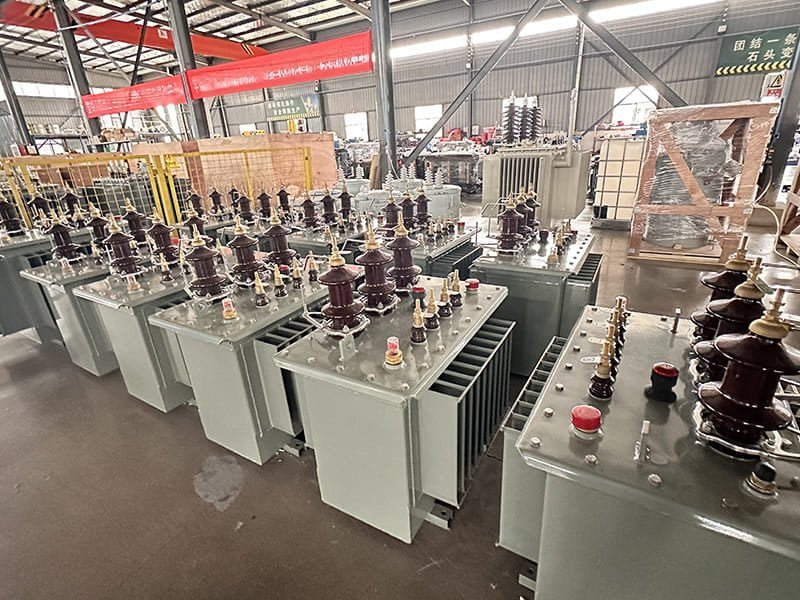
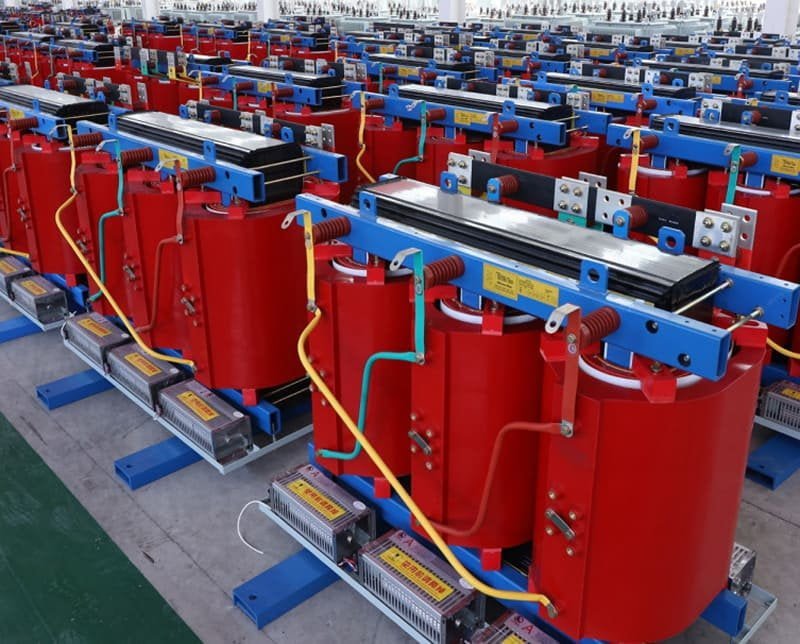
Cast resin dry-type transformers carry zero fire risk and require no blast walls or containment pits. More importantly, they can be installed directly inside the load center—right on your factory floor or in a high-rise basement. This eliminates the need for long, expensive runs of heavy low-voltage copper cabling. In many layouts, the money saved on copper cable alone entirely wipes out the initial price premium of the dry-type unit.
Phase 2: Years 4-7 — The Constant Maintenance Bleed
This is the critical period that dictates your profitability. Every hour your transformer is offline for maintenance is an hour your factory produces zero revenue.
The Oil-Immersed Maintenance Quagmire:
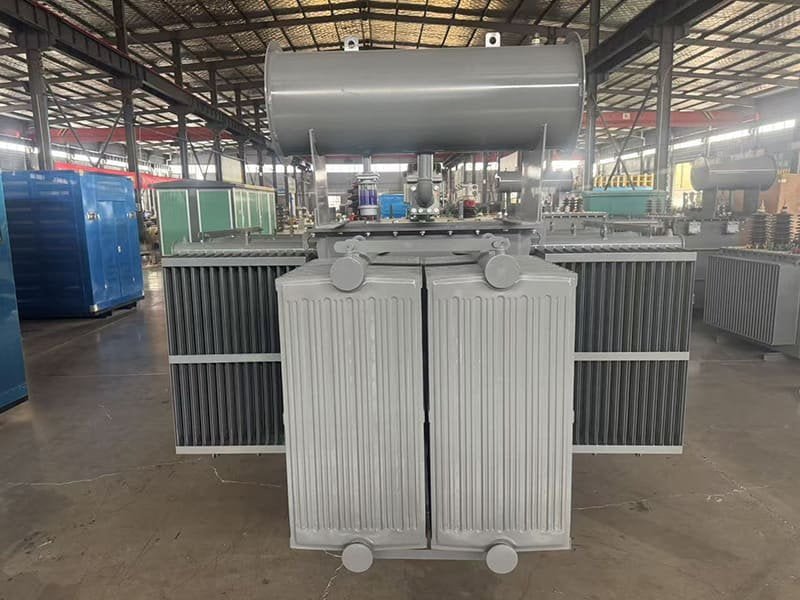
Oil is a fluid, and fluids degrade and leak. By year four, your maintenance team is trapped in a costly annual cycle. You must pay for Dissolved Gas Analysis (DGA) to test the oil for internal faults, schedule downtime to filter or replace the oil, and swap out degraded gaskets. The labor costs, material fees, and the brutal cost of planned factory downtime compound into a massive hidden expense year over year.
The Dry-Type Minimalist Rule:
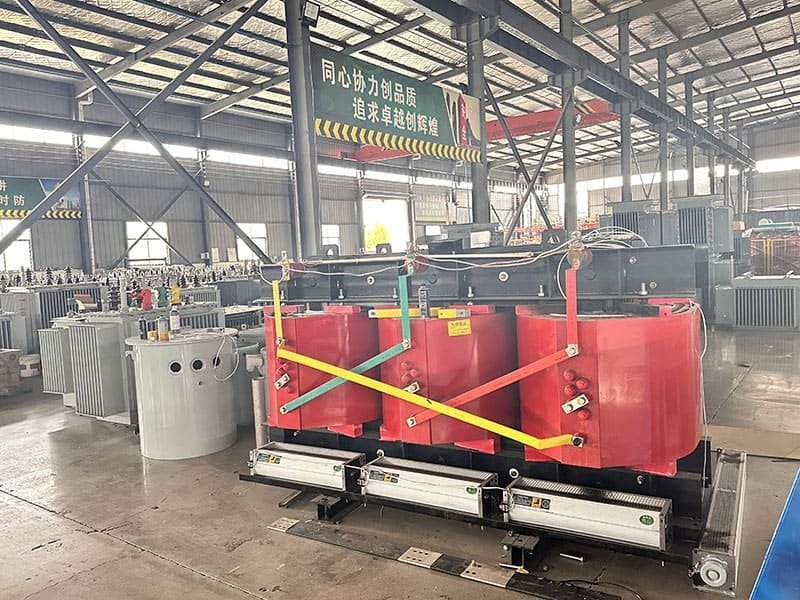
A cast resin dry-type transformer is essentially a solid-state machine. The maintenance is incredibly simple: power it down once a year, blow the dust off, and check the cooling fan bearings. There are no oil samples, no leak anxieties, and drastically reduced downtime stress.
Phase 3: Years 8-10 — Residual Value and The Endgame
The asset’s value at the end of a decade dictates your final financial return.
The Oil-Immersed Environmental Liability:
Disposing of a decade-old oil-immersed transformer is an environmental and logistical nightmare. You cannot simply sell it for scrap. The degraded mineral oil is classified as hazardous waste4. You are legally required to pay certified environmental agencies hefty fees to pump, transport, and dispose of the toxic fluids.
The Dry-Type Clean Exit:
Dry-type transformers contain no hazardous liquids. Upon decommissioning, it can be immediately dismantled. The high-purity copper or aluminum windings, along with the silicon steel core, have immense recycling value, providing an immediate cash injection for your next equipment upgrade.
The 10-Year TCO Comparison (1000kVA Baseline Index)
To visualize the financial impact, we created a relative cost index comparing the two technologies over 10 years, assuming a baseline equipment cost of $100 for the oil unit.
| Cost Category | Oil-Immersed 1000kVA | Dry-Type (Cast Resin) 1000kVA |
|---|---|---|
| Initial Equipment Purchase | $100 (Base) | $135 |
| Civil Works (Containment/Firewalls) | $25 | $0 |
| Low-Voltage Cabling Distance Cost | $15 | $5 (Installed at load center) |
| 10-Year Maintenance & Downtime | $35 (Oil testing/filtering/seals) | $5 (Basic dusting) |
| End-of-Life Disposal/Hazmat Fees | $10 (Hazardous waste processing) | $0 |
| Estimated 10-Year TCO Index | $185 | $145 |
Stop Guessing. Let the Experts Calculate the True Cost.
Every facility has different electricity rates, land values, and load profiles. Generic tables cannot replace precise financial modeling.
You don’t need to crunch the complex formulas yourself. Our engineering team has provided Return on Investment (ROI)5 assessments for clients across dozens of countries. Provide us with your specific application scenario and local energy costs, and we will generate a comprehensive 10-Year Transformer TCO Assessment Report.
Want to know which solution will save you that 30% in hidden costs?
Click the button below to book a free 1-on-1 expert consultation. We will provide a ruthless, accurate cost comparison based on your project coordinates and load characteristics, ensuring every dollar of your budget works for you.
-
Explore the drawbacks of oil-immersed transformers to understand why they may not be the best choice for your facility. ↩
-
Understanding TCO is crucial for making informed purchasing decisions that can save significant costs over time. ↩
-
Explore how civil engineering requirements can impact the total cost and feasibility of transformer installation. ↩
-
Stay informed about hazardous waste regulations to ensure compliance and avoid costly penalties. ↩
-
Calculating ROI is essential for evaluating the financial benefits of different transformer options. ↩