
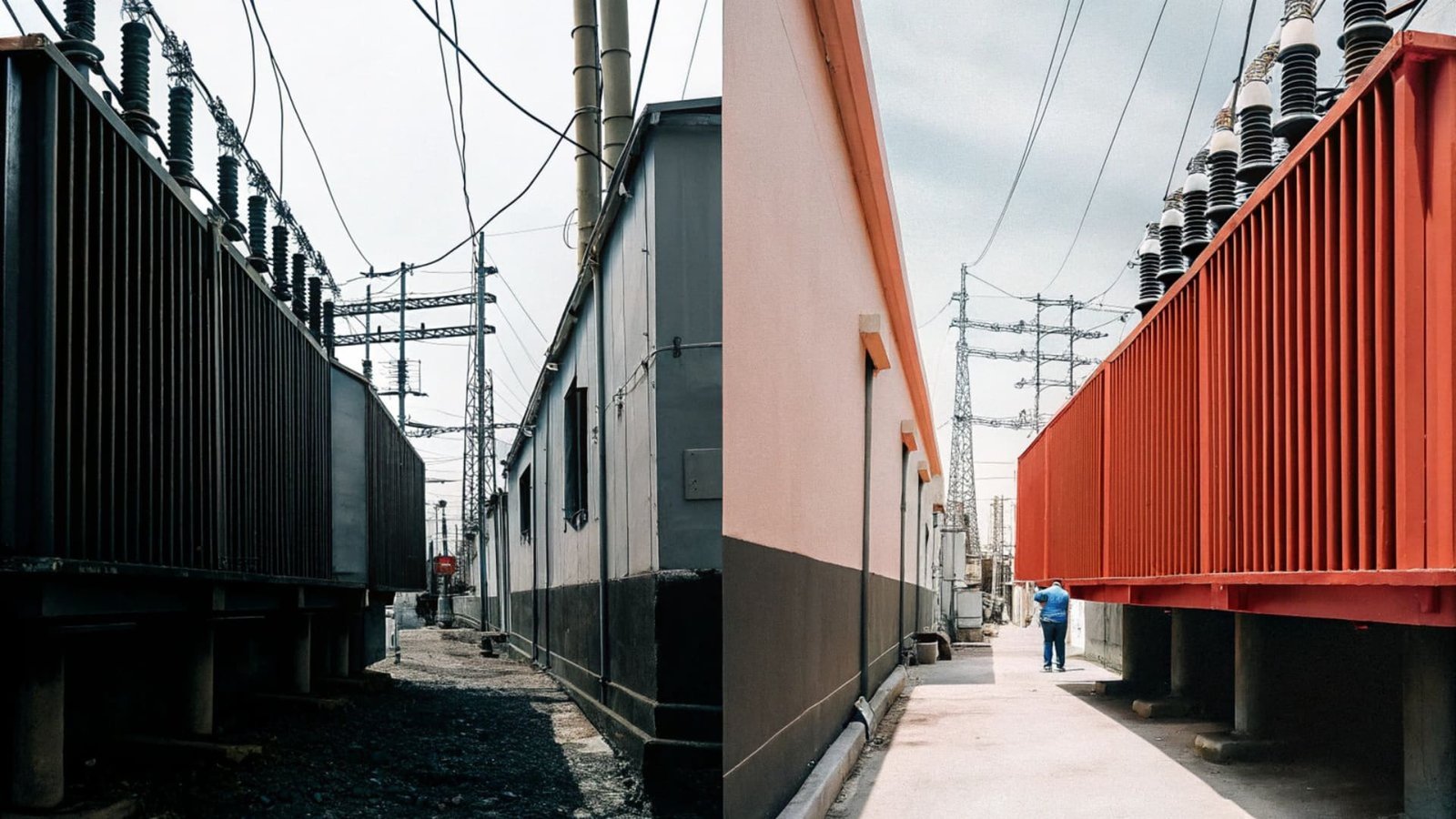
Distribution Transformer Upgrade Solutions
Application Scenarios
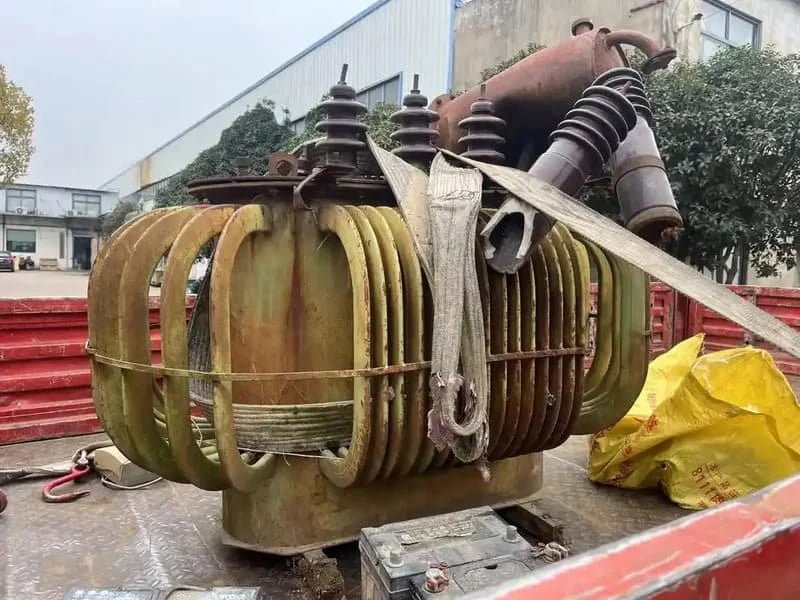
Aging Transformer Replacement
Replacement of transformers that have reached end-of-life due to insulation aging, capacity limits, or outdated standards.
Legacy Grid Infrastructure Upgrade
Upgrading old distribution networks to meet current technical, safety, and efficiency requirements without full system reconstruction.
Capacity Reinforcement Projects
Targeted replacement to support load growth while maintaining compatibility with existing substations and feeders.
Regulatory Compliance Upgrades
Replacement projects driven by new utility regulations, loss limits, or safety standards.
Engineering Focus
Electrical parameter matching with legacy grid equipment
Mechanical and dimensional compatibility for replacement installations
Protection coordination continuity during equipment replacement
Reliability and lifecycle stability under long-term operation
Key Challenges
Incomplete or outdated technical data from legacy installations
High risk of parameter mismatch during transformer replacement
Limited outage windows for replacement and commissioning
Strict acceptance requirements from utilities and regulators
Why This Solution
Engineering-first replacement approach focused on system compatibility
Structured assessment of legacy grid parameters before equipment selection
Reduced replacement risk through controlled design and testing processes
Documentation and testing aligned with utility acceptance requirements
Common Questions
Yes. Replacement designs are engineered based on existing electrical, mechanical, and protection parameters to minimize on-site modifications.
We review available legacy data, conduct parameter matching, and design replacements with controlled tolerances to ensure system stability.
Test reports, drawings, and compliance documents are provided according to utility and project requirements.
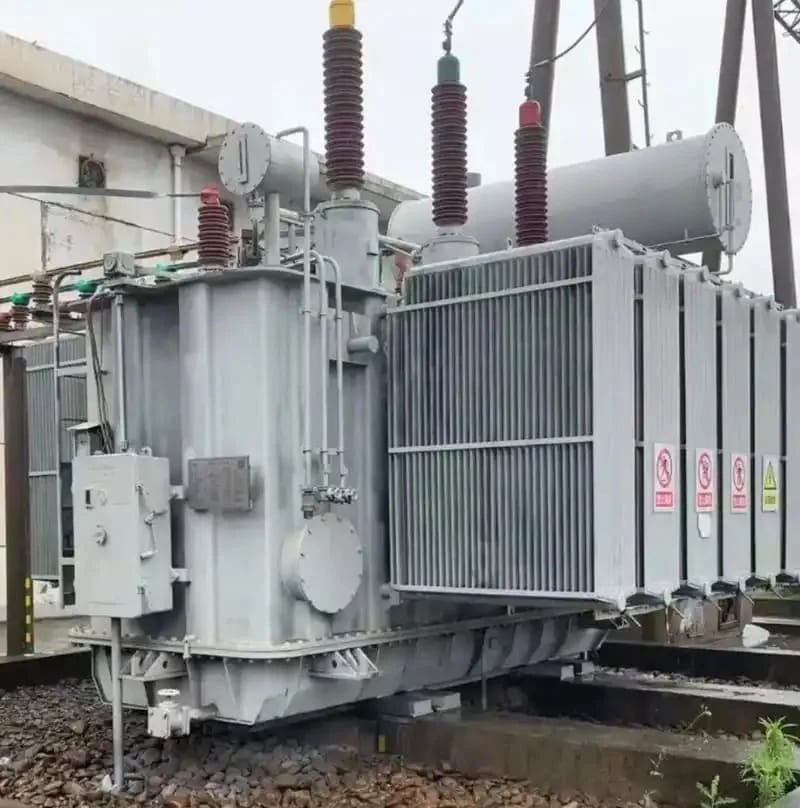
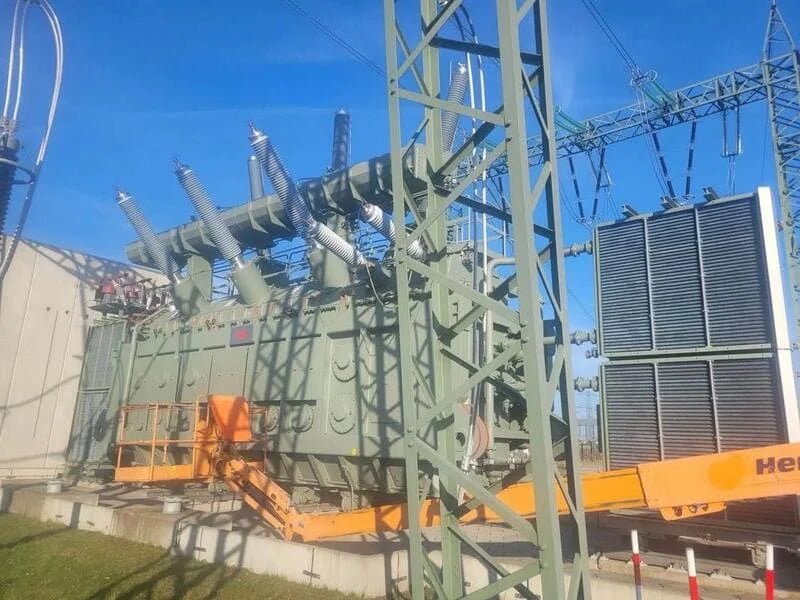
Solution Gallery
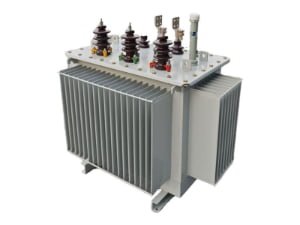
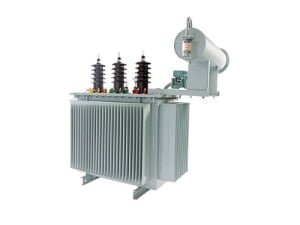
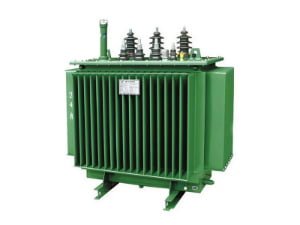
Ready to Discuss Your Application?
Talk to our engineering team to review your application scenario, technical constraints, and system requirements.