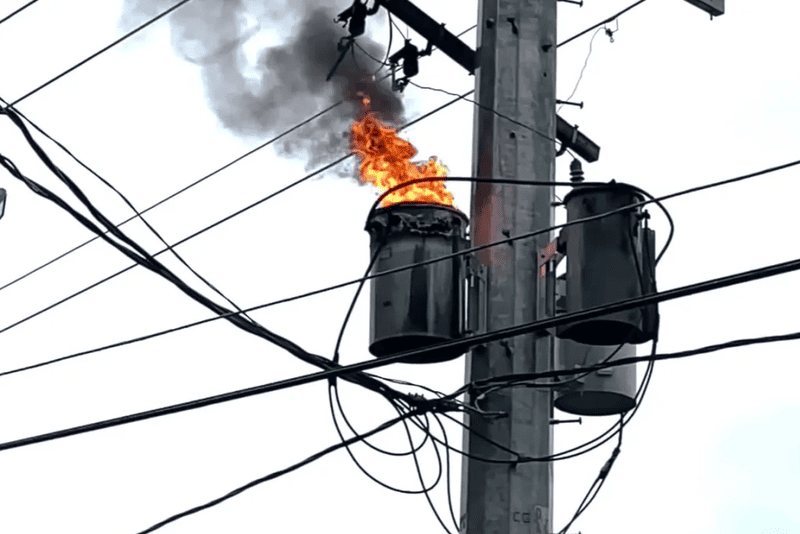
A blown transformer can sound like a gunshot, throw a bright flash, and leave you in the dark. While the noise is dramatic, the real danger lies in the energized area around the fault.
In this guide, YEEG Transformer1 explains what happened, why you might see a smoke ring, and how long it actually takes to get the lights back on.
Quick Restoration Timeline: > * Pole-mounted: 2–12 hours.
- Pad-mounted: 1–3 days.
- Substation: Days for rerouting; months for full replacement.
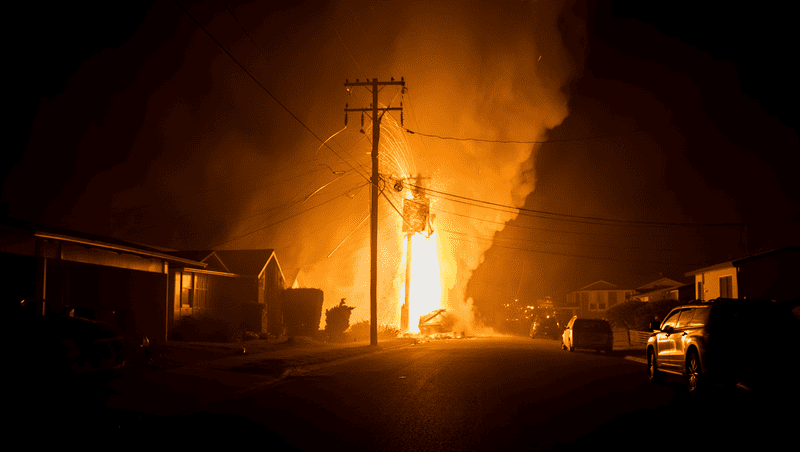
1. What is a "Blown Transformer" Actually?
When people say a blown transformer, they are usually describing a distribution fault.
- The Loud Bang: This is often the fuse cutout or a protective breaker operating to isolate the fault.
- The Reality: Power is cut for safety to prevent fires. The transformer itself is only replaced if the internal insulation has failed.
2. Top 8 Causes: Why Transformers Blow Up
A transformer rarely fails without warning; it is usually a long-term stress followed by a trigger event.
- Overload: Excessive demand during heatwaves or peaks.
- Short Circuits: External faults on the line.
- Surges: Lightning or switching spikes.
- Insulation Aging: Natural decay of cellulose paper over 20-40 years.
- Moisture Ingress: Water reducing the oil’s dielectric strength.
- Loose Connections: Creating hot spots and internal arcing.
- Wildlife Contact: Squirrels or birds causing phase-to-ground faults.
- Oil Degradation: Chemical breakdown forming combustible gases.
3. The Mystery of the "Blown Transformer Smoke Ring"
A smoke ring is a common sight during a blowout. It is formed by vaporized oil and hot gases being expelled rapidly through a small opening (like a pressure relief valve or a ruptured seal). While it looks like an explosion, it is a byproduct of the extreme internal pressure created by an electrical arc.
4. How Long Does It Take to Fix?
Restoration depends on the location and inventory.
| Transformer Type | Replacement Complexity | Typical Time |
|---|---|---|
| Pole-Mounted | Standard swap, bucket truck | 2 – 12 Hours |
| Pad-Mounted | Heavy equipment, cable work | 1 – 3 Days |
| Substation | Specialized logistics | Weeks to Months |
Note: Utilities often reroute power (sectionalizing) to restore most customers within hours while the failed unit is being replaced.
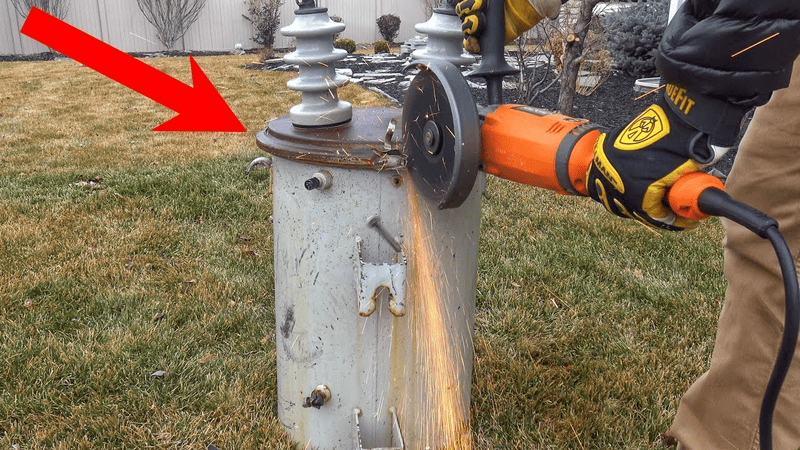
5. Prevention for Grid Projects: "Data Beats Drama"
For utilities and EPCs, avoiding "blown" units starts with better specifications.
- Correct Sizing: Account for 20% future load growth.
- Monitoring: Use DGA (Dissolved Gas Analysis2) for substation units.
- Quality Build: Specify high-grade CRGO steel and proper vacuum drying.
Conclusion
A blown transformer is a critical reliability event. Whether it’s a storm-driven surge or long-term insulation decay, the focus must remain on safe isolation and rapid replacement.
At YEEG Transformer, we specialize in providing robust, high-efficiency distribution transformers that meet modern grid resilience standards.
Need to secure your grid? Contact the YEEG Engineering Team for custom, reliable transformer solutions.